About the Project
BEATS is an innovative interdisciplinary project that combines marine biology, genetics, taxonomy, and artificial intelligence to uncover the hidden diversity and ecology of Antarctic squids.
These animals are key components of Southern Ocean food webs, linking small prey to top predators such as penguins, seals, whales, and seabirds. Yet, because squids are difficult to sample directly in Antarctic waters, much remains unknown about their biodiversity, population structure, and responses to climate change.
BEATS transforms this challenge into an opportunity by using squid beaks (hard mouthparts that resist digestion and can be recovered from predator samples) as a powerful source of biological information.
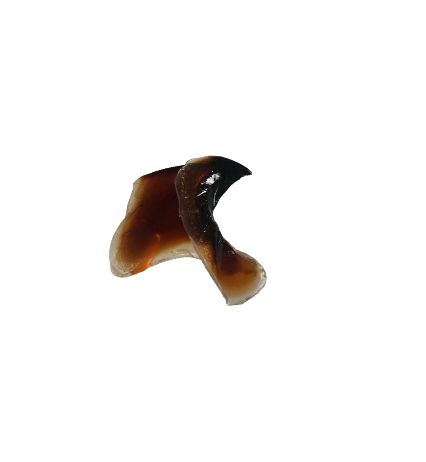
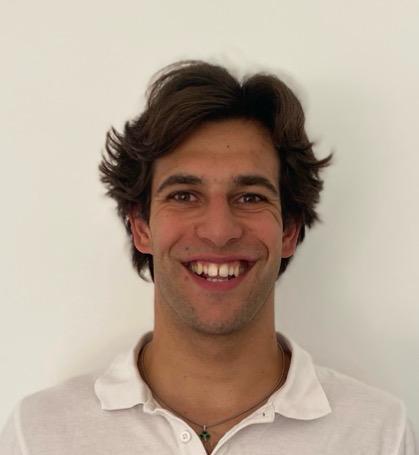
Photo ©Lucas Bastos

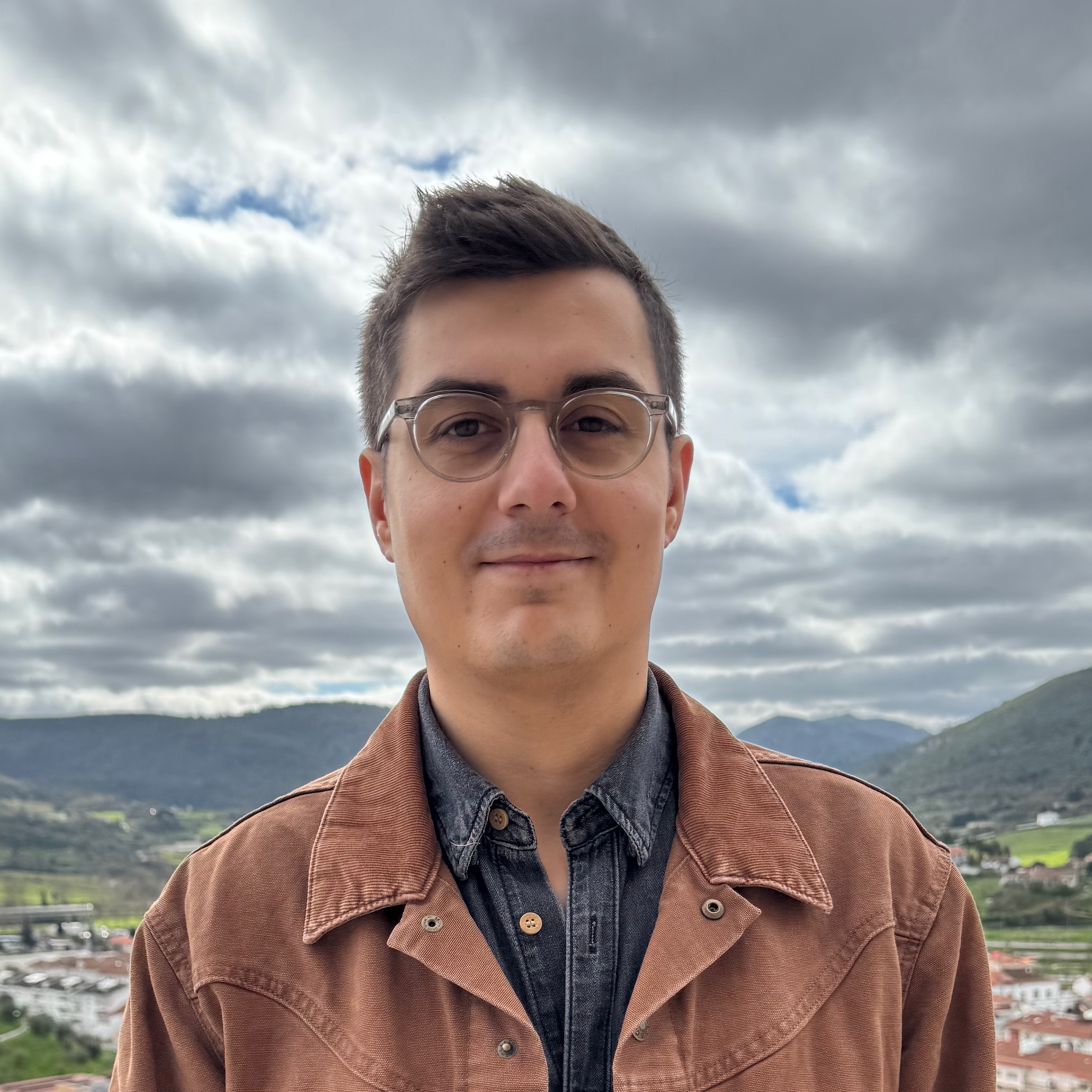
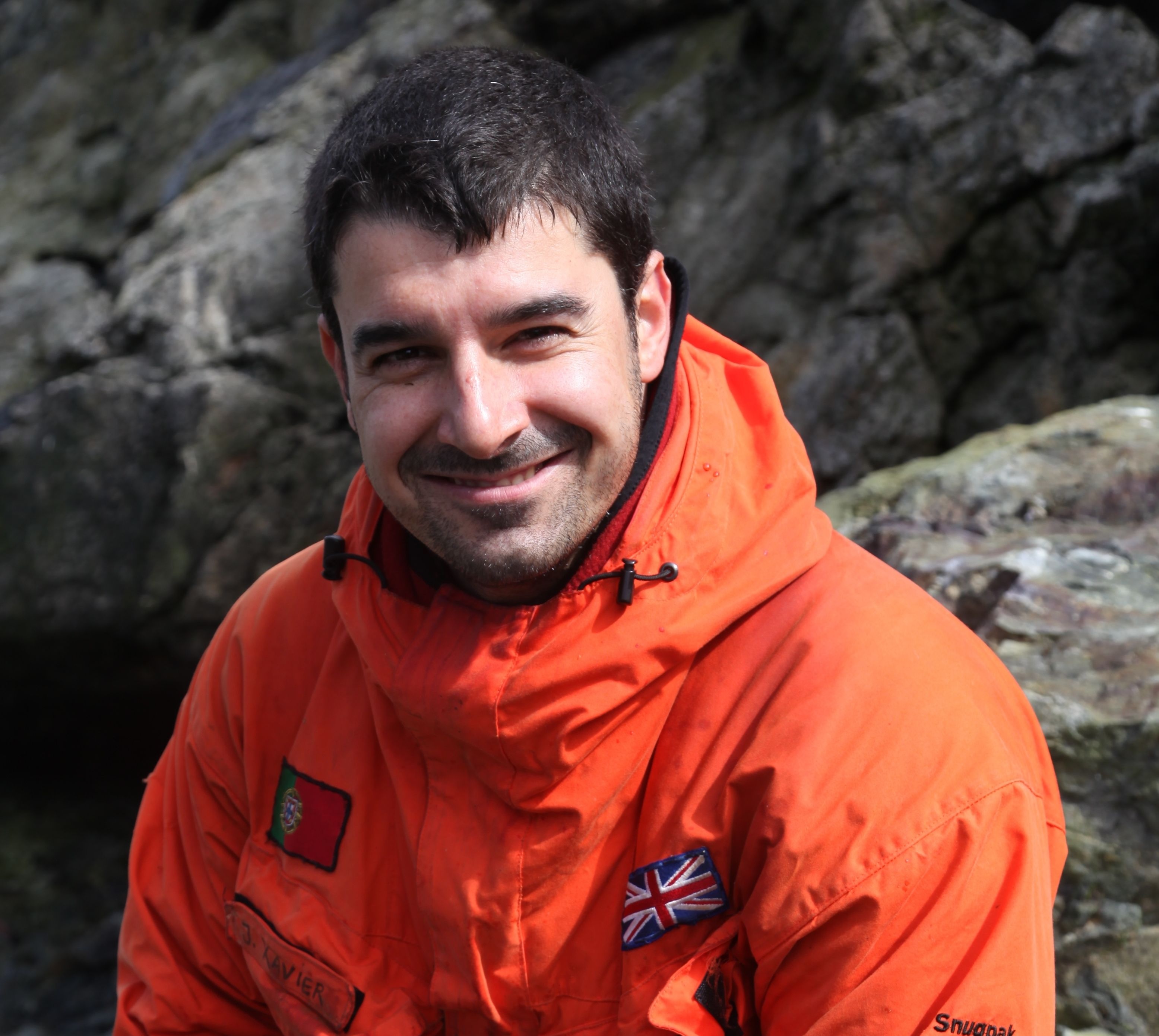
Photo ©José Xavier
Why Antarctica?
Ocean warming, sea-ice loss, and shifting food webs are already affecting biodiversity and ecosystem functioning across the Southern Ocean. Understanding how key species respond to these changes is essential for predicting the future of polar marine ecosystems.
BEATS aims to transform how biodiversity is studied in remote ecosystems by integrating biological knowledge with cutting-edge technologies. By combining morphology, DNA, and AI, the project will create new tools to study species that are otherwise difficult to observe.
Main Objectives
Extract DNA from squid beaks to identify species and investigate population connectivity across Antarctic regions.
Build image-based machine learning models capable of identifying squid species from beak photographs.
Combine traditional morphological expertise with genetics and AI to ensure accurate, transparent, and robust results.
Use squid biodiversity as an indicator of how Antarctic food webs are responding to environmental change.
BEATS builds on existing collections of more than 5,000 squid beaks from over 30 Antarctic species, held at the University of Coimbra and collaborating institutions. These collections represent an exceptional scientific resource for advancing polar biodiversity research.
BEATS strengthens the University of Coimbra's international leadership in marine genomics, biodiversity science, and applied artificial intelligence.
The project also contributes to global priorities in climate action, biodiversity conservation, and digital innovation, addressing some of the most pressing challenges facing our planet's marine ecosystems.
BEATS promotes diversity, mentoring, and equal opportunities within the research team. Project outputs (e.g., data and tools) will be shared through open science platforms whenever possible, ensuring the widest possible benefit to the scientific community.
The People Behind BEATS
International Collaborators
Richard Phillips
Senior Scientist, British Antarctic Survey, UK
Jon Ablett
Senior Curator of Mollusca, Natural History Museum, London, UK
Darren Stevens
Fisheries Scientist, Earth Sciences New Zealand
Yves Cherel
Director of Research Emeritus, CNRS, France
Ana Cristina Francisco Rufino
Museu da Ciência, University of Coimbra, Portugal
Alexey V. Golikov
German Centre for Marine Biodiversity Research (DZMB), Germany
Irina Chemshirova
Fisheries Scientist, Fisheries Department, Stanley, Falkland Islands
José Pedro Marques Queirós
CIIMAR, Portugal
Martin Collins
Senior Scientist, British Antarctic Survey, UK
Henk-Jan Hoving
GEOMAR, Germany
Tools & Data
Future tools, datasets, and AI models developed under BEATS will be shared on this page. Our outputs (including genetic reference data, species identification tools, and open-access image datasets) will be freely available to the scientific community.
Updates & Activities
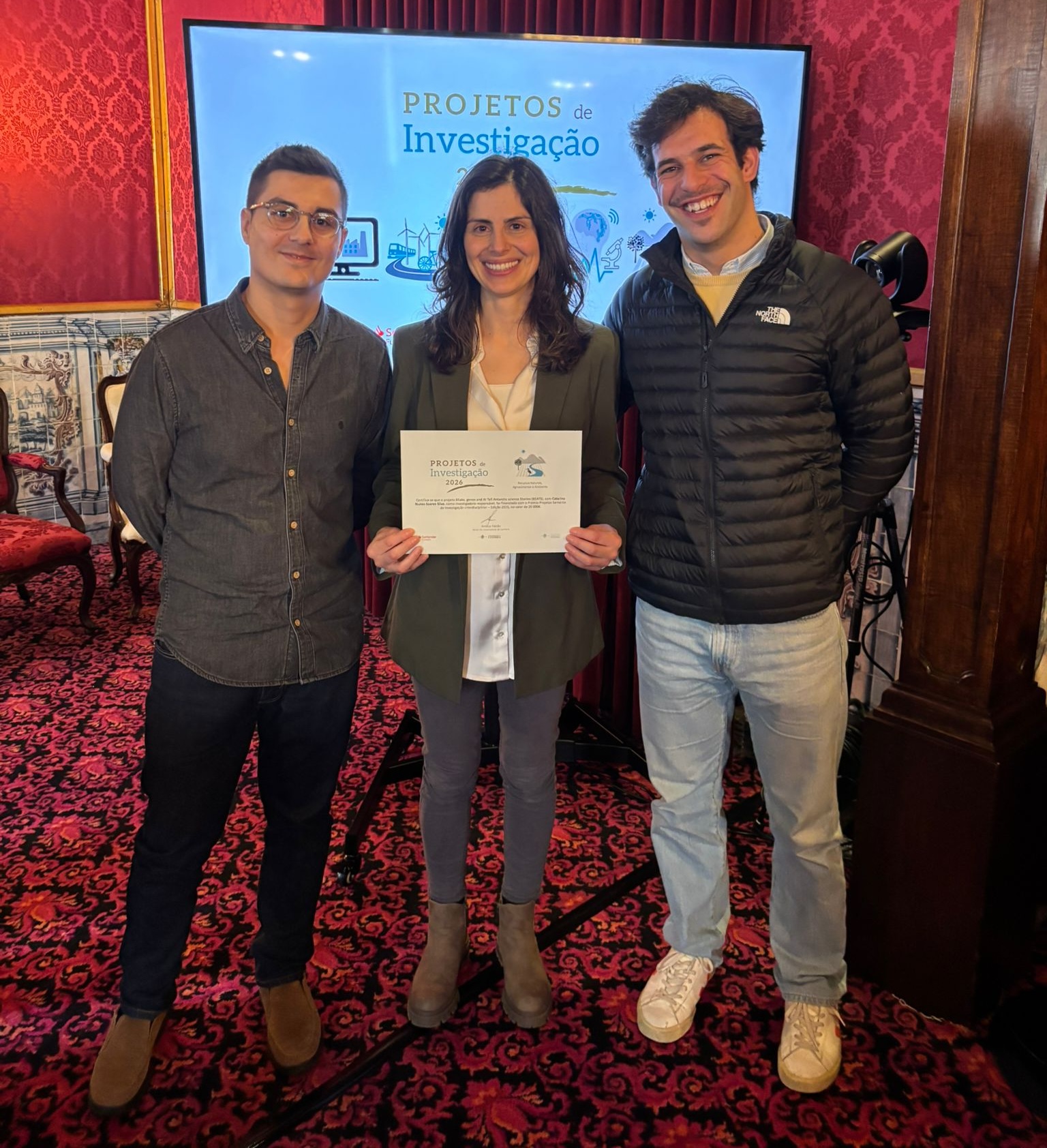
BEATS was selected as a winning project of the University of Coimbra's Interdisciplinary Research Seed Projects programme, and officially kicked-off on February 27, 2026.
5 & 27 February 2026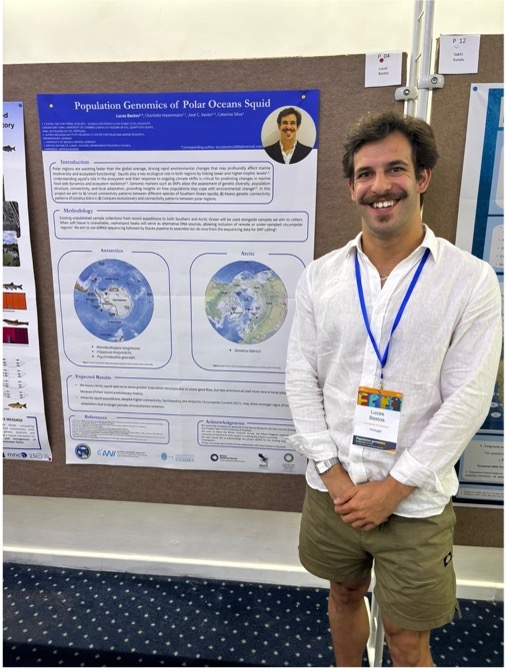
Lucas Bastos attended a week-long EMBO course in Torre del Greco, exploring methods for population demographic history and detecting natural selection.
15–22 June 2026Get in Touch
For general enquiries or collaboration opportunities, please reach out to us directly.